
Protecting Export Shipments from Port to Destination
Exporting goods involves far more than moving a shipment from one country to another. Between the point of loading and final delivery, cargo can pass through warehouses, transport vehicles, ports, terminals, vessels and distribution facilities. Each stage introduces different risks that can affect the security and condition of the shipment.
Cargo may be exposed to movement, moisture, unauthorised access and repeated handling throughout its journey. For exporters and freight forwarders, these risks make effective export cargo protection an essential part of preparing goods for international transport.
A combination of appropriate security seals, cargo stabilisation products and moisture-control solutions can help protect shipments throughout the export journey. Rather than waiting for damage or interference to occur, businesses can take preventative measures before cargo leaves its point of origin.
Managing Risks Across International Shipping
International shipments can involve significantly more handling than domestic deliveries.
Cargo may begin its journey at a manufacturing facility or warehouse before being transported by road to a port. It may then spend time at a terminal before being loaded onto a vessel. After reaching the destination country, the container may pass through customs, another port facility, road or rail transport and a receiving warehouse.
Every transition creates another point at which cargo needs to remain protected.
The risks can vary according to the cargo, route, transport method and environmental conditions, but common concerns include:
- Unauthorised access or tampering
- Movement of cargo inside containers
- Moisture and condensation
- Packaging damage
- Repeated handling
- Long periods in transit
Effective secure export logistics therefore requires businesses to consider both the physical condition and security of cargo.
Protecting Container Integrity with Security Seals
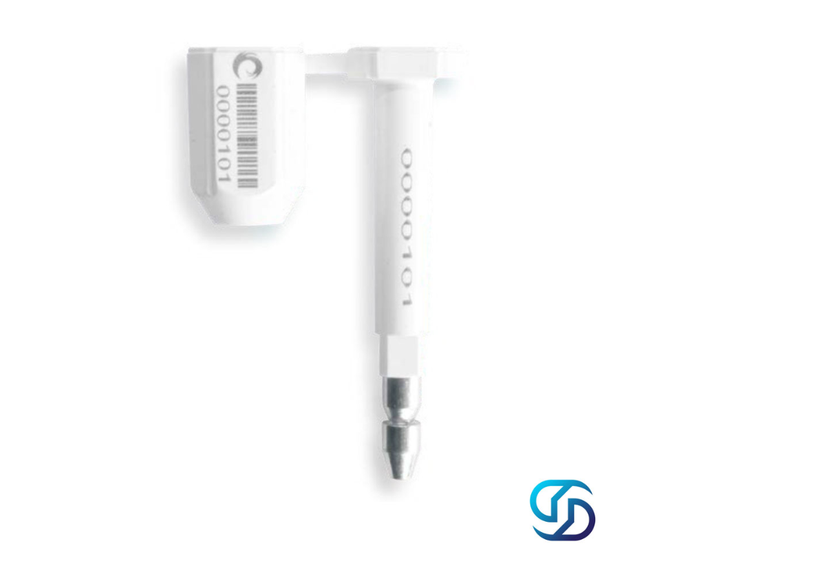
Security seals provide an important physical control for export containers.
Once a container has been loaded and closed, an appropriate security seal provides visible evidence if the container has subsequently been opened or interfered with.
Many security seals incorporate unique identification numbers. These numbers can be recorded as part of shipment documentation and checked at appropriate stages throughout the logistics process.
If the seal number at the receiving point matches the documented number and the seal remains intact, personnel have an additional means of verifying the integrity of the shipment.
If the seal is missing, damaged or does not correspond with the documentation, the discrepancy can be investigated.
Security seals therefore support more than physical protection. They also contribute to accountability and traceability throughout the export process.
Preventing Cargo Movement During Transport
Security is only one part of container export protection.
Cargo must also remain physically stable throughout its journey.
A container may appear securely packed when stationary, but the forces experienced during road and sea transport can be substantial. Acceleration, braking, vibration, cornering and vessel movement can all cause goods to shift.
Even relatively small gaps between pallets or cargo units can allow movement to develop during a long journey.
Once cargo begins shifting, products may collide with one another, packaging can become damaged and loads can become unstable.
Dunnage bags provide a practical way to address these voids.
Products That Keep Export Cargo Secure
Dunnage bags are positioned within spaces between cargo units and inflated to create pressure against the load.
By filling otherwise empty spaces, they help restrict unwanted movement and maintain load stability during transport.
This can be particularly valuable for containerised export cargo, where goods may experience multiple transport environments before reaching their destination.
Appropriate load stabilisation does more than protect individual products. It can also contribute to safer unloading by reducing the likelihood of cargo shifting significantly during transit.
Managing Moisture During Long Export Journeys
Moisture is another important consideration when preparing cargo for international transport.
Changes in temperature and humidity can cause condensation to develop inside shipping containers. During long journeys, accumulated moisture can affect both packaging and products.
Depending on the type of cargo, moisture exposure may contribute to:
- Corrosion
- Mould development
- Damaged cartons
- Weakened packaging
- Product deterioration
- Staining or contamination
Because containers can move through different climates during a single journey, conditions at the point of loading do not necessarily represent the conditions the cargo will experience throughout transport.
Container desiccants provide an additional method of managing this risk.
Desiccant products absorb moisture from the surrounding environment, helping control humidity inside the container and reducing the conditions that contribute to condensation.
For moisture-sensitive export goods, this preventative measure can form an important part of the overall cargo protection strategy.
Combining Security, Stability and Moisture Protection
No single product addresses every risk involved in international freight.
A security seal can indicate interference with a container, but it cannot stop cargo moving internally.
A dunnage bag can help stabilise the load, but it does not address humidity.
A desiccant can help manage moisture, but it does not provide evidence of unauthorised container access.
Effective export shipping security therefore requires businesses to look at the shipment as a whole.
Security seals, dunnage bags and desiccants perform different functions, but they can complement one another within a broader cargo protection approach.
The appropriate combination depends on the type of cargo, the container configuration, journey length, transport conditions and risks associated with the route.
Cargo Protection Begins Before the Port
An important principle of export cargo protection is that security should not begin once the shipment reaches the port.
By that stage, the container may already have travelled a considerable distance.
Protection should instead be considered during the planning and loading stages.
Before dispatch, exporters and freight operators should assess factors such as:
- How securely the goods are packaged
- Whether void spaces could allow movement
- Whether the cargo is sensitive to moisture
- What level of sealing is appropriate
- How identification numbers will be recorded
- What checks should occur at handover points
Taking these considerations into account before departure helps create a more controlled logistics process.
The Business Cost of Poor Export Protection
When cargo arrives damaged or compromised, the direct value of the affected products is only one potential cost.
Businesses may also face additional freight expenses, claims, replacements, delivery delays and administrative work.
Customer relationships can also suffer.
An overseas customer expecting goods in saleable condition may experience their own operational disruption when a shipment arrives damaged. For exporters, repeated issues can undermine confidence in their ability to deliver reliably.
Preventative cargo protection should therefore be viewed as part of maintaining service quality.
Reducing avoidable damage, movement, moisture exposure and security concerns can contribute to more dependable international deliveries.
Best Practices for Protecting Export Cargo
A strong export protection process starts with understanding the individual shipment rather than applying the same approach to every container.
Businesses should consider the cargo type, value, sensitivity and route before selecting protection products.
Loads should be packed to minimise unnecessary movement, with suitable stabilisation solutions used where voids remain.
Moisture-sensitive shipments should be assessed for humidity and condensation risks, particularly where journeys involve changing climates or extended transit periods.
Containers should also be secured with appropriate security seals, with identification details properly documented.
Finally, procedures should be communicated clearly to everyone responsible for loading, dispatch, transport and receiving.
Products are most effective when supported by consistent operational procedures.
Building More Reliable Export Operations
Reliable exporting depends on preparation.
Once a container begins its international journey, opportunities to correct problems become limited. A poorly stabilised load, inadequate moisture protection or incorrect security procedure may only become apparent when the cargo reaches its destination.
Taking preventative measures at the beginning of the journey can therefore have considerable value.
By considering security, stability and moisture together, exporters can create a more comprehensive approach to protecting goods from origin to destination.
Conclusion
International export cargo can encounter numerous risks between the loading point and final delivery.
Unauthorised access, load movement and moisture exposure can all compromise a shipment if they are not properly managed.
Security seals, dunnage bags and container desiccants each address a different aspect of these risks, allowing exporters and freight forwarders to build a more complete cargo protection strategy.
Solved Distribution Solutions provides cargo protection and security products designed to support safer, more controlled logistics operations.
Choosing the appropriate protection before goods begin their journey can help reduce avoidable losses, strengthen shipment integrity and support more reliable deliveries from port to destination.