
Choosing the Right Security Seal for Your Industry
In modern logistics and supply chain operations, protecting cargo during transport is essential. Goods often travel through multiple facilities, vehicles, and handling points before reaching their final destination.
During this journey, maintaining the integrity of shipments is critical. Even minor security breaches can result in financial losses, damaged reputation, or operational delays.
Security seals provide a simple yet highly effective way to protect shipments and maintain accountability across the supply chain. However, with several types of seals available, choosing the right option for a specific application can make a significant difference in overall cargo security.
Understanding the differences between seal types helps businesses select the most appropriate solution for their operations.
Why Security Seals Matter in Logistics
Security seals act as a visible control mechanism for cargo protection.
Once applied, a seal ensures that a container, trailer, or storage compartment remains closed throughout its journey. If the seal is broken or missing upon arrival, it immediately signals that unauthorised access may have occurred.
This simple verification system allows businesses to maintain greater control over shipments while improving traceability and accountability within the supply chain.
By using security seals consistently, logistics providers can reduce theft risks, prevent tampering, and strengthen trust between suppliers and customers.
Plastic Security Seals
Plastic security seals are among the most widely used solutions in logistics and distribution environments.
These seals are typically lightweight, cost-effective, and easy to apply. They are commonly used for applications that require a clear tamper indicator but do not require the highest level of physical strength.
Typical uses include:
• Securing delivery trucks
• Sealing storage cabinets
• Protecting courier shipments
• Warehouse inventory control
Plastic seals are available in various designs and sizes, often with unique numbering systems that support tracking and verification processes.
Their affordability and ease of use make them ideal for high-volume operations where seals are applied frequently.
Cable Security Seals
Cable seals offer a higher level of strength and protection compared to plastic alternatives.
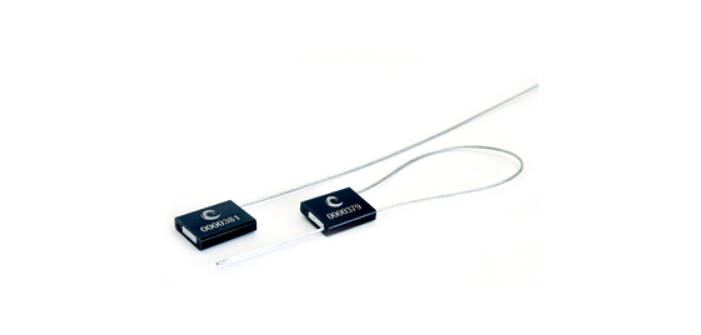
These seals consist of a strong metal cable that locks securely into a tamper-resistant mechanism. Once applied, the cable cannot be removed without cutting it, making any attempt at interference immediately visible.
Cable seals are commonly used for:
• Shipping containers
• Freight transport
• Port operations
• High-value cargo shipments
Because of their strength and durability, cable seals are widely accepted in international shipping environments where stronger tamper protection is required.
Metal Security Seals
Metal seals provide another level of robust cargo protection.
Often used in heavy-duty transport environments, these seals are designed for situations where maximum durability is required. They are particularly useful in industries where containers may be exposed to rough handling or harsh environmental conditions.
Metal seals are commonly used in:
• Industrial transport
• Bulk cargo shipments
• Fuel and chemical transport
• Long-distance freight operations
Their durable construction ensures that any attempt at removal will leave visible evidence of tampering.
Matching the Seal to the Application
Selecting the right security seal depends largely on the type of cargo being transported and the level of security required.
Lower-risk shipments or internal logistics operations may benefit from cost-effective plastic seals, while international shipping or high-value cargo may require stronger cable or metal seals.
Factors businesses should consider include:
• Value of goods being transported
• Transport distance and route complexity
• Industry regulations and compliance requirements
• Risk of theft or tampering
By carefully evaluating these factors, logistics managers can select seals that provide the right balance of security and practicality.
Strengthening Supply Chain Security
Security seals may appear simple, but they play a powerful role in protecting goods throughout the supply chain.
By preventing unauthorised access and providing clear evidence of tampering, seals help maintain transparency and accountability at every stage of transport.
When combined with proper logistics procedures and documentation, security seals become an important part of a broader cargo protection strategy.
For companies that depend on safe and reliable transport, choosing the right seal type is a small decision that can deliver significant long-term value.
Conclusion
Every shipment carries a level of risk as it moves through the supply chain. Security seals provide a practical way to minimise these risks while maintaining transparency between suppliers, logistics providers, and customers.
By understanding the differences between plastic, cable, and metal seals, businesses can select the most suitable solution for their specific operations.
Choosing the right security seal ensures that cargo remains protected, shipments remain accountable, and supply chains continue to operate with confidence.