
Why Load Stability Is Just as Important as Load Security
When businesses think about protecting goods during transport, security often receives most of the attention. Containers are sealed, access is controlled and procedures are implemented to reduce the risk of theft or tampering.
These measures are important, but they address only one part of cargo protection.
A shipment can remain completely secure from unauthorised access and still arrive damaged because the load moved during transport.
This is why cargo load stability deserves the same attention as cargo security.
Proper stabilisation helps keep goods in their intended position as they move by road, rail or sea. By reducing unwanted movement, businesses can lower the risk of damaged products, compromised packaging and unstable loads.
Understanding Cargo Movement
Cargo is subjected to continuous physical forces during transport.
A truck accelerating from a stop pushes the load in one direction. Braking applies force in another. Corners, uneven roads and vibration create further movement.
Containerised sea freight introduces additional forces as vessels roll, pitch and move through changing sea conditions.
A load that appears perfectly stable while standing in a warehouse may behave very differently once transport begins.
This makes load planning an important part of secure cargo transport.
The objective is not simply to fit goods into the available space. Cargo should be positioned and stabilised so that normal transport forces do not allow excessive movement.
Why Empty Space Creates Risk
One of the biggest contributors to cargo movement is unused space between goods.
A small gap may seem insignificant during loading. However, that gap gives the cargo room to move.
Once movement begins, repeated acceleration, braking or vibration can cause the load to shift further.
This can lead to:
- Pallets moving out of position
- Products colliding
- Cartons becoming crushed
- Packaging tearing or deforming
- Loads leaning against container doors
- Increased difficulty during unloading
Preventing this initial movement is therefore a central part of effective shipping load protection.
Load Security and Load Stability Are Different
Although closely related, load security and load stability should not be treated as the same thing.
Cargo security focuses primarily on protecting a shipment against unauthorised access, interference or theft.
Load stability focuses on controlling physical movement.
A security seal can provide evidence that a container has remained closed, but it cannot prevent pallets from moving inside the container.
Similarly, stabilising the cargo does not provide evidence that the container itself has remained secure.
A comprehensive cargo protection strategy considers both.
Businesses need to protect who can access the shipment while also controlling what happens to the goods physically during the journey.
Protective Solutions That Support Load Stability
Effective load stabilisation solutions are selected according to the type of cargo, packaging configuration and available space.
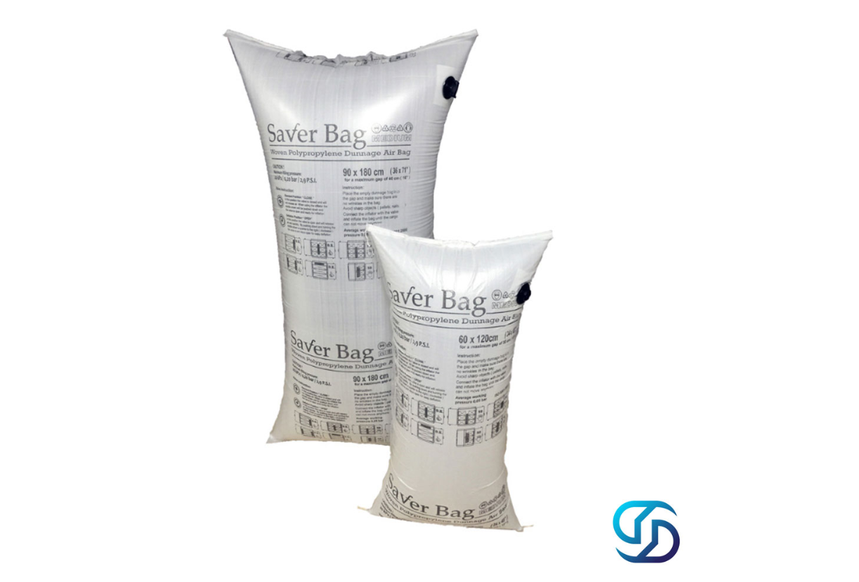
Dunnage bags are one practical option for filling voids between cargo units.
The bags are positioned in suitable gaps and inflated, creating pressure against neighbouring loads.
This helps restrict lateral movement and keeps cargo positioned more securely throughout transport.
Rather than relying on loose materials to fill empty space, an appropriately selected and positioned dunnage solution can provide more consistent support to the load.
Combining Stability with Security
The strongest cargo protection strategies do not treat individual risks in isolation.
For example, a containerised shipment may require:
- Appropriate positioning of cargo
- Void filling to reduce movement
- Dunnage bags for load stabilisation
- Moisture management where required
- A suitable security seal after loading
Each measure addresses a different vulnerability.
Together, they create a more controlled transport environment.
The Safety Implications of Unstable Cargo
Cargo movement is not only a product-damage concern. It can also create safety risks.
If a load shifts substantially during transit, its weight distribution may change.
When container or vehicle doors are opened, displaced goods may also fall or move unexpectedly.
This can expose personnel responsible for unloading to unnecessary hazards.
Good load stabilisation therefore supports safer handling as well as product protection.
The objective should be to ensure that cargo reaches its destination as close as reasonably possible to the position in which it was originally loaded.
How Load Stability Protects Packaging
Packaging is typically designed to protect products within expected handling and transport conditions.
However, packaging has limits.
When loads move repeatedly, cartons and other packaging may experience pressure they were not designed to withstand.
A carton pressed against another pallet for an extended journey can become crushed. Repeated impacts can weaken corners and edges. Stretch wrapping can become compromised if a pallet shifts significantly.
Load stabilisation reduces these unnecessary stresses by limiting movement before it develops into repeated impact.
This means stabilisation can help protect both the product itself and the packaging surrounding it.
Different Transport Modes Create Different Forces
The requirements for cargo load stability can vary according to how the goods are transported.
Road Transport
Road freight involves braking, acceleration, cornering, vibration and uneven road surfaces.
Even relatively short journeys can expose cargo to repeated movement.
Rail Transport
Rail freight can subject cargo to vibration and longitudinal forces as trains accelerate, brake and connect or disconnect.
Sea Freight
Containerised ocean cargo may spend extended periods exposed to vessel movement.
A shipment may also travel by road before and after the sea voyage, meaning the load needs to withstand several different transport environments.
For multimodal shipments, protection should therefore account for the complete journey rather than only one stage.
Assessing a Load Before Dispatch
Good stabilisation begins with assessment.
Before dispatch, logistics teams should consider:
- Cargo weight and dimensions
- Pallet configuration
- Packaging strength
- Location and size of void spaces
- Transport method
- Journey duration
- Number of handling stages
These factors help determine where movement is likely to occur and what stabilisation measures may be appropriate.
The goal is to address vulnerabilities during loading rather than discovering them after delivery.
Why Proper Product Selection Matters
Not every load has the same requirements.
The appropriate stabilisation product depends on the configuration and demands of the shipment.
Using a solution simply because it is available does not necessarily mean the cargo has been properly protected.
Product selection should take account of the size of the void, characteristics of the cargo and expected transport conditions.
Correct positioning and application are equally important.
A load protection product can only perform effectively when it is suited to the application and used appropriately.
Reducing the Cost of Transport Damage
Cargo movement can create costs throughout the supply chain.
Damaged products may need to be replaced or returned. Shipments may require inspection or repacking. Delivery schedules can be disrupted and customers may need to wait for replacement stock.
The financial effect can therefore extend beyond the damaged item itself.
Preventative load stabilisation solutions can help reduce these risks by addressing one of the fundamental causes of transport damage before the shipment leaves.
For logistics operators, this supports more consistent delivery performance and fewer avoidable claims.
Making Load Stability Part of Standard Procedure
Load stabilisation is most effective when it becomes part of normal logistics planning rather than an afterthought.
Teams responsible for loading should understand why void spaces matter and how different cargo configurations behave during transport.
Procedures should define how loads are assessed, which stabilisation products are appropriate and how cargo should be checked before dispatch.
This creates consistency between shipments and reduces reliance on individual judgement.
Combined with appropriate security and moisture protection measures, these procedures contribute to a more complete cargo protection programme.
Conclusion
Securing a container against unauthorised access does not automatically mean the goods inside are protected.
Cargo must also remain stable throughout the journey.
Movement caused by braking, acceleration, vibration and changing transport conditions can damage products and packaging while creating additional risks during unloading.
Effective load stabilisation addresses these risks before transport begins.
Solutions such as dunnage bags can help fill voids and restrict unwanted cargo movement, while appropriate security measures protect the integrity of the shipment itself.
Solved Distribution Solutions provides products that support different aspects of cargo protection, allowing logistics operations to address security, stability and transport risk more effectively.
When cargo load stability and security are considered together, businesses are better positioned to protect goods throughout the complete transport journey.