
Maintaining Chain of Custody with Tamper-Evident Security Products
Maintaining the integrity of valuable or sensitive items throughout transport is a responsibility shared by every organisation involved in the supply chain. Whether handling confidential documents, forensic evidence, pharmaceuticals, cash, or high-value merchandise, knowing exactly who has handled an item and confirming that it has not been tampered with is essential.
This process is known as the chain of custody.
A secure chain of custody protects more than just physical goods. It protects evidence, supports compliance, strengthens accountability, and builds trust between organisations and their customers.
Tamper-evident security products play an important role in maintaining this chain by providing visible proof that an item has remained secure throughout its journey.
Why Chain of Custody Matters
Chain of custody refers to the documented process of tracking an item from the moment it is sealed until it reaches its intended recipient.
At every stage, responsibility for the item is transferred from one authorised person to another. Each transfer is recorded to ensure complete accountability.
This process is particularly important when dealing with sensitive or regulated items where unauthorised access could compromise the integrity of the contents.
Without a clearly maintained chain of custody, businesses may face:
- Disputes over responsibility
- Product integrity concerns
- Regulatory non-compliance
- Financial losses
- Reduced customer confidence
By maintaining accurate records and using appropriate security measures, organisations can minimise these risks while improving operational transparency.
Industries That Depend on Chain of Custody
Many industries rely on strict chain of custody procedures every day.
These include:
- Forensic and law enforcement agencies
- Healthcare and pharmaceutical suppliers
- Cash-in-transit providers
- Courier and logistics companies
- Banking institutions
- Government departments
- Retail distribution centres
In each of these environments, maintaining security is about more than preventing theft. It also ensures that products, documents, or evidence remain authentic and unchanged throughout the handling process.
The Role of Tamper-Evident Security Products
Documentation alone cannot prevent unauthorised access.
This is where tamper-evident security products become essential.
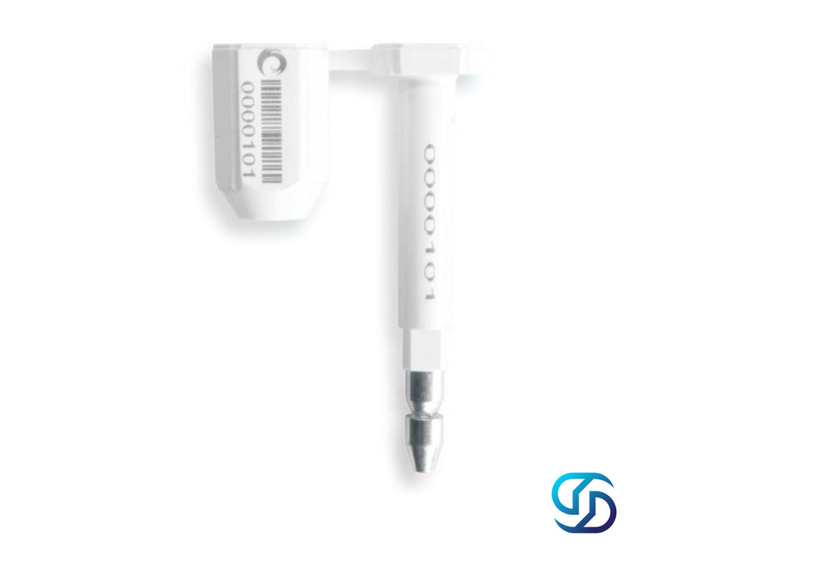
Products such as security seals and tamper-evident bags provide a visible indication if an item has been opened or interfered with before reaching its destination.
Unlike ordinary packaging, these products are specifically designed so that any attempt to remove or open them leaves permanent evidence of tampering.
This immediate visual indication allows staff to identify potential issues before accepting deliveries or processing sensitive materials.
Using Security Products to Maintain Accountability
Tamper-evident products support accountability by creating a physical link between documentation and the item being transported.
Many security seals and bags include:
- Unique serial numbers
- Barcodes
- Sequential numbering
- Permanent locking mechanisms
- Tamper-indicating closures
These features allow organisations to record exactly which security device was used for each shipment.
When the shipment arrives, personnel simply compare the identification number against the recorded documentation.
If the numbers match and the security product remains intact, confidence in the integrity of the shipment is significantly increased.
If discrepancies are found, the shipment can be investigated before being accepted.
Supporting Compliance and Best Practice
Many industries operate under strict compliance requirements that demand secure handling procedures.
Healthcare providers must ensure that medical products remain uncompromised.
Forensic laboratories must maintain the integrity of evidence.
Financial institutions handling cash and confidential documents require clear accountability throughout transport.
Tamper-evident security products help organisations demonstrate compliance with these requirements by supporting documented handling procedures and reducing opportunities for unauthorised access.
Using recognised security products also demonstrates a commitment to best practice and responsible risk management.
Operational Benefits Beyond Security
While the primary purpose of tamper-evident products is security, they also deliver several operational advantages.
These include:
- Faster shipment verification
- Simplified auditing processes
- Reduced disputes between parties
- Improved inventory accountability
- Greater confidence throughout the supply chain
These benefits contribute to more efficient operations while strengthening relationships between suppliers, transport providers, and customers.
Choosing the Right Security Solution
Different applications require different levels of protection.
For some organisations, security seals provide the ideal solution for securing containers, cages, or transport equipment.
Others may require tamper-evident security bags for confidential documents, cash, pharmaceuticals, or forensic evidence.
Selecting the right product depends on factors such as:
- The value of the contents
- Regulatory requirements
- Handling procedures
- Environmental conditions
- Transport methods
Working with a trusted supplier ensures that organisations choose security products suited to their operational requirements.
Conclusion
Maintaining a secure chain of custody is essential wherever valuable or sensitive items are transported or stored.
By combining accurate documentation with reliable tamper-evident security products, organisations can strengthen accountability, improve compliance, and reduce the risk of unauthorised access.
For businesses and institutions that rely on secure handling procedures, tamper-evident security products provide a simple yet highly effective solution for protecting both their assets and their reputation.