
How Desiccant Bags Protect Cargo from Moisture Damage
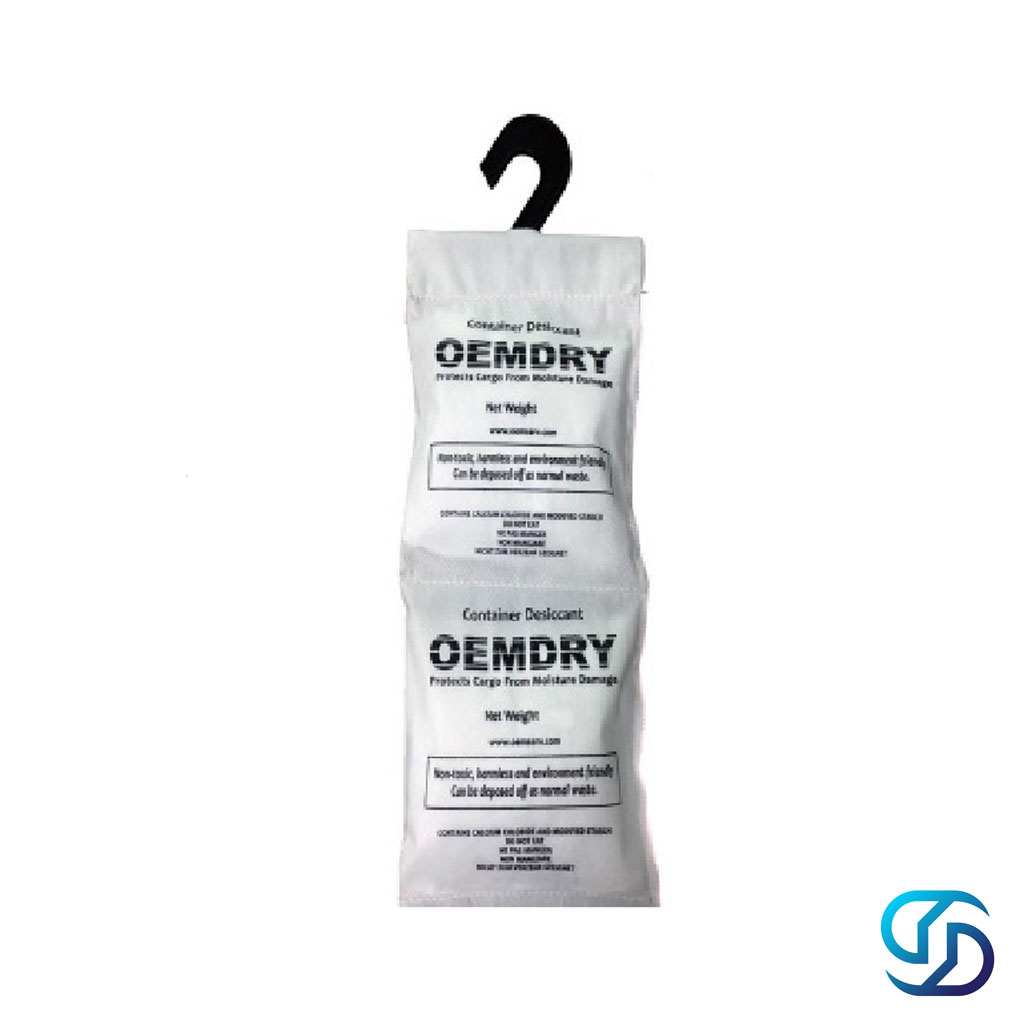
Shipping cargo across long distances involves far more than simply loading goods into containers and sending them on their way. During transport, cargo is exposed to changing temperatures, humidity, and environmental conditions that can seriously affect product quality.
One of the most common yet overlooked threats in container shipping is moisture damage.
Excess humidity inside containers can lead to mould, corrosion, packaging failure, and ruined products. For importers, exporters, and logistics companies, these issues can result in significant financial losses and damaged customer relationships.
This is why container desiccant bags have become an essential cargo protection solution in modern logistics.
The Hidden Risk of Container Moisture
Many people assume that shipping containers fully protect goods from environmental conditions. In reality, containers are highly vulnerable to internal moisture build-up.
As temperatures fluctuate during transit, warm air inside the container cools and forms condensation. This moisture accumulates on container walls and ceilings before dripping onto cargo.
This phenomenon is commonly referred to as “container rain”.
Long ocean voyages and changing climates make this problem particularly severe. A container may leave a hot and humid port environment before moving into colder conditions during transport.
The resulting condensation can create excessive moisture levels inside the container, even when the cargo itself was loaded dry.
Without proper moisture control, this humidity can quickly damage products during shipping.
How Moisture Damages Cargo
Moisture-related cargo damage affects a wide range of industries and products.
Common issues include:
• Corrosion on metal products and machinery
• Mould growth on textiles, paper, and packaging
• Warping or weakening of cardboard packaging
• Product contamination and spoilage
• Damage to electronics and sensitive equipment
Even small amounts of excess moisture can create major problems over long transport periods.
In many cases, the damage is only discovered once cargo reaches its destination. By then, the financial impact may include product replacement costs, delayed deliveries, insurance claims, and customer dissatisfaction.
For international shipping operations, preventing moisture damage is critical to maintaining cargo integrity.
Why Desiccant Technology Is Essential for Shipping
Container desiccant bags are specifically designed to absorb excess moisture inside shipping containers.
These bags contain highly absorbent materials that capture humidity from the surrounding air before condensation can form.
Once placed inside a container, desiccant bags continuously reduce moisture levels throughout the journey. This helps maintain a stable environment for the cargo and minimises the risk of humidity-related damage.
One of the biggest advantages of desiccant technology is its simplicity.
The bags are easy to install, require no maintenance during transport, and work effectively across a variety of shipping conditions.
Because they actively control humidity inside the container, they provide an additional layer of protection that standard packaging alone cannot achieve.
How Desiccant Bags Work Inside Containers
Desiccant bags are typically positioned strategically throughout the container before shipment begins.
As humidity rises, the absorbent materials inside the bags capture moisture from the air and retain it securely. This prevents condensation from forming on container surfaces and cargo packaging.
The effectiveness of desiccant bags depends on several factors, including:
• Container size
• Voyage duration
• Climate conditions
• Type of cargo being transported
In high-risk shipping environments, multiple desiccant bags may be used to ensure maximum moisture control.
This flexible approach allows logistics companies to tailor moisture protection to the specific needs of each shipment.
Industries That Rely on Container Desiccants
Container desiccant bags are widely used across industries where moisture-sensitive goods are transported internationally.
These industries include:
• Electronics and technology
• Automotive components
• Food and beverage exports
• Pharmaceuticals and healthcare
• Textile and apparel manufacturing
• Paper and packaging industries
In each of these sectors, product quality depends heavily on maintaining proper environmental conditions during shipping.
Desiccant bags provide a cost-effective and reliable way to reduce moisture-related risks across global supply chains.
The Financial Benefits of Moisture Prevention
Preventing moisture damage is not just about protecting products. It is also about protecting profitability.
Damaged cargo can lead to:
• Expensive product replacements
• Delayed shipments
• Insurance claims
• Customer complaints
• Supply chain disruptions
For businesses operating in competitive international markets, these issues can affect long-term customer trust and operational efficiency.
By investing in container moisture solutions such as desiccant bags, companies can significantly reduce these risks and improve delivery reliability.
A Simple Solution with Long-Term Value
One of the reasons desiccant bags remain so widely used is because they provide effective protection without adding unnecessary complexity.
They are lightweight, practical, and easy to integrate into existing shipping procedures.
Despite their simplicity, they play a major role in preventing costly cargo damage during transport.
As international shipping continues to grow, moisture control has become an increasingly important part of modern logistics management.
Desiccant technology offers a straightforward solution that protects both cargo and business reputation.
Conclusion
Moisture damage is one of the most common hidden threats in container shipping, but it is also one of the most preventable.
Container desiccant bags provide a reliable way to control humidity, reduce condensation, and protect goods throughout the shipping process.
For importers, exporters, and logistics companies, investing in effective moisture protection helps ensure that cargo arrives safely, maintains its quality, and reaches customers in the best possible condition.