
Preventing Supply Chain Theft with Tamper-Evident Technology
Supply chains have become larger, faster, and more interconnected than ever before. Goods move continuously between warehouses, ports, vehicles, distribution centres, and retail locations across multiple regions and countries.
While this global connectivity improves efficiency, it also creates opportunities for theft, tampering, and unauthorised access.
For logistics companies and manufacturers, supply chain theft remains one of the biggest operational and financial risks in modern transport environments.
As these threats continue to grow, businesses are increasingly turning to tamper-evident technology to improve cargo protection and strengthen accountability throughout the supply chain.
Why Supply Chain Security Matters More Than Ever
Modern supply chains involve multiple touchpoints and handling stages.
A single shipment may pass through several transport providers, storage facilities, and distribution hubs before reaching its final destination. Each transfer creates another opportunity for theft or interference.
High-value goods are especially vulnerable during transport and storage.
Products commonly targeted include:
• Electronics and technology
• Pharmaceuticals
• Retail merchandise
• Industrial equipment
• Consumer goods
In many cases, theft occurs not through large-scale attacks, but through smaller acts of unauthorised access that are difficult to detect immediately.
This is why visible security measures and clear accountability systems have become essential for logistics operations.
The Growing Cost of Cargo Theft
Cargo theft affects far more than the value of stolen goods.
The wider consequences can include:
• Delayed deliveries
• Insurance claims
• Operational disruption
• Loss of customer trust
• Increased security costs
For businesses operating in competitive industries, these disruptions can damage long-term client relationships and affect overall profitability.
Preventing theft is therefore not only about protecting products. It is also about maintaining supply chain reliability and operational stability.
How Tamper-Evident Technology Works
Tamper-evident technology is designed to provide immediate visual evidence if a shipment has been opened, altered, or accessed without authorisation.
Unlike ordinary packaging or closures, tamper-evident products are specifically engineered so that interference cannot occur without leaving visible signs.
Common tamper-evident solutions include:
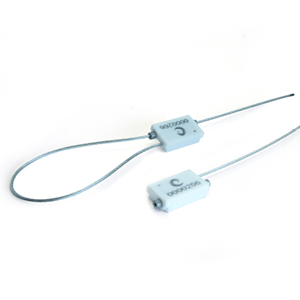
• Security seals
• Tamper-evident bags
• Security labels
• Sequential numbering systems
• Tracking barcodes and identifiers
These tools allow logistics personnel to verify cargo integrity quickly and efficiently throughout the transport process.
If a seal is broken or identification numbers do not match shipping records, staff can immediately identify potential issues before accepting delivery.
How Tamper-Evidence Improves Accountability
One of the greatest strengths of tamper-evident systems is the way they improve accountability across supply chains.
Every seal, bag, or security device can be uniquely identified and documented.
This creates a traceable chain of custody that records exactly when cargo was secured and who handled it during transport.
As shipments move between facilities or transport providers, personnel can verify that tamper-evident devices remain intact.
This process strengthens operational transparency while discouraging theft and unauthorised access.
In cases where tampering is identified, businesses can investigate incidents more quickly and determine where security breaches may have occurred.
Industries Using Tamper-Evident Security Systems
Tamper-evident technology is widely used across industries that depend on secure transport and cargo integrity.
These include:
• Freight and logistics companies
• Warehousing and distribution centres
• Pharmaceutical and healthcare sectors
• Retail and e-commerce supply chains
• Cash-in-transit services
In each of these industries, maintaining product security is essential to both operational success and customer trust.
Tamper-evident systems provide a practical layer of protection that supports secure movement of goods throughout the supply chain.
Operational Benefits Beyond Security
Although tamper-evident technology is primarily used for theft prevention, it also delivers broader operational benefits.
These include:
• Faster cargo verification processes
• Reduced disputes between logistics partners
• Improved compliance with security protocols
• Better visibility throughout the supply chain
For businesses handling high volumes of cargo, these efficiencies can significantly improve operational performance while reducing risk exposure.
Building a Stronger Supply Chain Security Strategy
Preventing supply chain theft requires a combination of processes, awareness, and physical security measures.
Tamper-evident technology works best when integrated into a wider cargo protection strategy that includes:
• Proper documentation procedures
• Staff training and accountability
• Shipment tracking systems
• Secure loading and unloading practices
When these measures work together, businesses create stronger and more resilient logistics operations.
Conclusion
Supply chain theft remains a major challenge for modern logistics operations, but businesses can significantly reduce risk through effective security measures.
Tamper-evident technology provides a simple and reliable way to detect interference, improve accountability, and protect cargo throughout the transport process.
For companies operating in high-risk logistics environments, these solutions are an important investment in both operational security and long-term business reliability.