
Reducing Warehouse Losses with Better Security Sealing Procedures
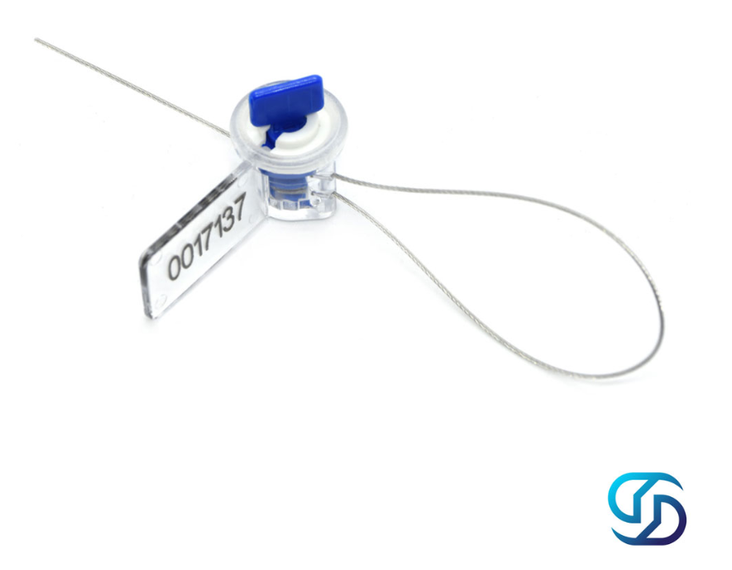
Warehouses are at the heart of modern supply chains. Every day, products move in and out of distribution centres, storage facilities, and fulfilment hubs before reaching customers. While these operations are designed for speed and efficiency, they also present opportunities for stock loss, unauthorised access, and inventory discrepancies.
Even small losses can quickly accumulate, affecting profitability, customer satisfaction, and operational performance.
One of the simplest ways to strengthen warehouse security is through the consistent use of security sealing procedures. Tamper-evident security seals provide a visible layer of protection that helps safeguard inventory, improve accountability, and support more efficient warehouse operations.
For businesses managing valuable stock, implementing effective sealing procedures is an important step towards reducing unnecessary losses.
Why Warehouse Losses Occur
Warehouse losses can happen for many reasons. While external theft is often a concern, many losses occur due to operational issues within the facility itself.
Common causes include:
- Unauthorised access to storage areas
- Inventory handling errors
- Stock misplacement
- Internal theft
- Packaging tampering
- Incomplete inventory records
When products move through multiple departments or personnel, it becomes increasingly important to maintain clear accountability throughout the handling process.
Without proper security measures, identifying where losses occur can become extremely difficult.
The Importance of Warehouse Security Procedures
Effective warehouse security relies on a combination of people, processes, and physical security measures.
Access control systems, surveillance cameras, inventory software, and staff training all contribute to a secure working environment.
However, physical security products remain equally important.
Security seals create a simple but highly effective checkpoint by making it immediately obvious if a storage area, container, cage, trolley, or shipment has been accessed without authorisation.
This additional level of protection helps businesses identify irregularities before stock leaves the warehouse.
How Security Seals Improve Inventory Control
Security seals support inventory management by creating a visible record of access.
Once a seal is applied, authorised staff record its identification number as part of warehouse documentation.
When inventory is moved or inspected, personnel simply verify that:
- The seal remains intact.
- The identification number matches warehouse records.
- No signs of tampering are present.
This straightforward process reduces uncertainty and improves confidence in inventory accuracy.
It also creates a clear audit trail that strengthens warehouse accountability.
Security Seals in Everyday Warehouse Operations
Security seals can be incorporated into many different warehouse activities.
Common applications include:
- Securing storage cages
- Protecting warehouse roll cages
- Sealing transport trolleys
- Protecting valuable inventory
- Securing dispatch containers
- Controlling access to restricted storage areas
Because security seals are quick to apply and easy to inspect, they integrate seamlessly into daily warehouse routines without slowing productivity.
This makes them a practical solution for facilities of all sizes.
Supporting Warehouse Audits and Accountability
Warehouse audits play an important role in maintaining inventory accuracy and operational efficiency.
Tamper-evident security seals simplify this process by providing immediate visual confirmation that storage areas have remained secure.
Instead of relying solely on written records, managers can verify security by checking seal integrity and identification numbers.
If discrepancies are found, investigations can begin immediately before products move further through the supply chain.
This proactive approach reduces disputes while improving confidence in warehouse operations.
Reducing Operational Risk
Inventory losses affect more than stock levels.
They can also result in:
- Increased operating costs
- Delivery delays
- Customer complaints
- Insurance claims
- Damaged business reputation
By introducing consistent security sealing procedures, businesses reduce opportunities for unauthorised access while improving operational discipline across the warehouse.
Simple preventative measures often have a significant impact on long-term operational performance.
Choosing the Right Security Seals
Different warehouse environments require different sealing solutions.
The most suitable option depends on factors such as:
- Type of inventory being stored
- Frequency of access
- Required security level
- Environmental conditions
- Internal operating procedures
Working with an experienced supplier ensures that businesses select security seals appropriate for their specific warehouse applications.
The right products not only improve security but also support efficient day-to-day operations.
Conclusion
Warehouse security begins with strong operational procedures supported by reliable physical security measures.
Tamper-evident security seals provide a practical and cost-effective way to improve inventory control, strengthen accountability, and reduce stock losses.
For warehouses seeking greater operational efficiency and improved inventory protection, implementing consistent security sealing procedures is a simple investment that delivers lasting value.