
Protecting Cargo in Transit: The Role of Dunnage Bags
Moving cargo safely from one location to another is one of the biggest challenges in global logistics. While goods may be securely packaged and loaded, the reality is that transport conditions are rarely static. Trucks brake, ships roll, and containers shift under pressure.
Without proper stabilisation, cargo movement inside containers can lead to damage, financial loss, and operational delays.
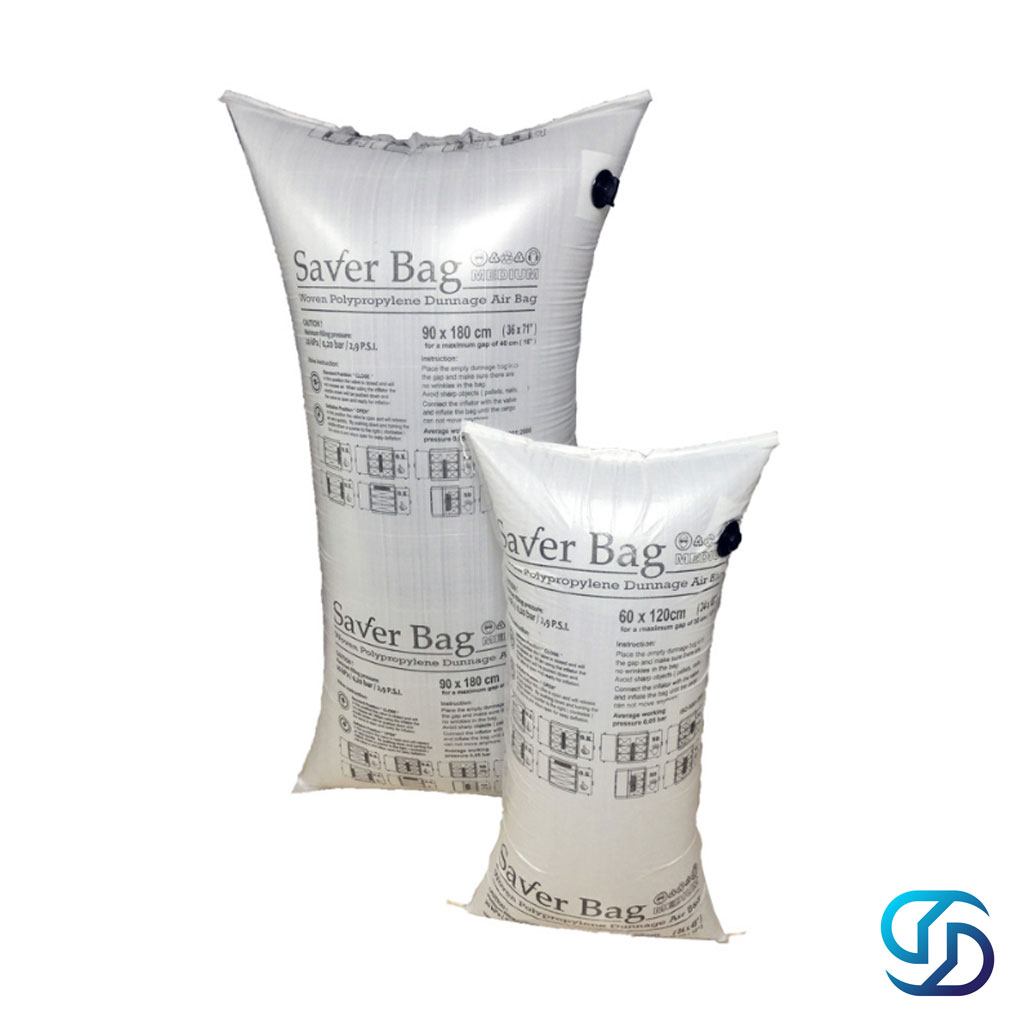
This is where dunnage bags play a critical role. These simple yet highly effective tools are designed to fill empty spaces between cargo, preventing movement and keeping goods secure throughout their journey.
For logistics operators and freight companies, dunnage bags are a key component of reliable cargo protection.
Why Cargo Shifts During Transport
Cargo movement is a natural result of transport dynamics.
During transit, goods are exposed to forces such as acceleration, braking, vibration, and changes in direction. Even minor movements can gradually shift cargo out of position, especially during long-distance shipping.
In container transport, this risk becomes even more pronounced.
Shipping containers often carry mixed loads, irregular shapes, or stacked goods. Gaps between items create space for movement, which increases the likelihood of shifting during transit.
Common causes of cargo movement include:
• Sudden braking or acceleration during road transport
• Ocean vessel movement and wave impact
• Improper load distribution
• Empty spaces between cargo units
When cargo shifts, the consequences can be significant. Products may be damaged, packaging may fail, and in severe cases, entire shipments can become unstable.
This not only affects product quality but also increases the risk of injury during unloading.
The Challenge of Container Transport
Container shipping is one of the most widely used methods of transporting goods globally. While it offers efficiency and scalability, it also presents unique challenges when it comes to cargo stability.
Containers are large, enclosed spaces, and unless they are tightly packed, cargo can move freely inside them.
Unlike fixed storage environments, containers are constantly in motion. Whether transported by truck, rail, or sea, they are exposed to continuous movement that can affect the integrity of the load.
For logistics managers, this creates a critical need for effective stabilisation solutions that can adapt to different cargo types and transport conditions.
How Dunnage Bags Stabilise Shipments
Dunnage bags are designed to fill the gaps between cargo and prevent movement during transit.
Typically made from durable materials such as woven polypropylene or kraft paper, these bags are placed in empty spaces between goods and then inflated using compressed air.
Once inflated, they create firm pressure between cargo units, holding them securely in place.
This pressure absorbs movement and distributes forces evenly across the load, reducing the risk of shifting or impact damage.
One of the key advantages of dunnage bags is their flexibility. They can be used with a wide range of cargo types, including:
• Palletised goods
• Industrial equipment
• Packaged consumer products
• Bulk shipments
Their ease of use also makes them highly practical for logistics operations. Bags can be quickly positioned and inflated, allowing for efficient loading without significantly increasing handling time.
The Benefits of Using Dunnage Bags
The use of dunnage bags provides several important benefits for cargo protection.
Firstly, they significantly reduce the risk of product damage. By stabilising loads, they prevent goods from colliding or shifting during transport.
Secondly, they improve safety during unloading. Stable cargo is easier and safer to handle, reducing the risk of accidents or injuries.
Thirdly, they help minimise financial losses. Damaged goods often result in claims, returns, and operational delays. Preventing these issues can lead to substantial cost savings.
Additional benefits include:
• Improved load stability across different transport modes
• Reduced packaging stress and strain
• Increased customer satisfaction through intact deliveries
For businesses operating in competitive markets, these advantages contribute to stronger reliability and reputation.
Industries That Rely on Dunnage Bags
Dunnage bags are widely used across industries that depend on secure transport.
These include:
• Freight and logistics companies
• Manufacturing and industrial sectors
• Retail and distribution networks
• Exporters and importers
• Food and beverage suppliers
In each of these industries, maintaining cargo integrity is essential. Dunnage bags provide a simple and effective way to protect goods regardless of transport distance or conditions.
A Practical Solution for Modern Logistics
In logistics, effective solutions are often those that combine simplicity with reliability.
Dunnage bags require minimal equipment, are easy to use, and can be adapted to different load configurations. Despite their simplicity, they play a powerful role in preventing cargo damage and improving transport efficiency.
As supply chains continue to grow in scale and complexity, the need for dependable cargo protection solutions becomes even more important.
Dunnage bags remain one of the most practical tools available for stabilising shipments and ensuring goods arrive safely.
Conclusion
Cargo movement during transport is an unavoidable challenge, but the risks associated with it can be effectively managed.
Dunnage bags provide a reliable solution by stabilising loads, preventing damage, and improving safety throughout the shipping process.
For logistics companies and freight operators, investing in proper cargo protection is not just about avoiding losses. It is about ensuring consistency, reliability, and trust across the entire supply chain.