
Why Security Seals Are Critical for Container Shipping Compliance
International container shipping is built on trust, accountability, and security. Every day, millions of containers move through ports, rail networks, warehouses, and transport routes carrying goods destined for markets around the world.
With so many touchpoints involved in the movement of cargo, maintaining shipment integrity is a constant challenge.
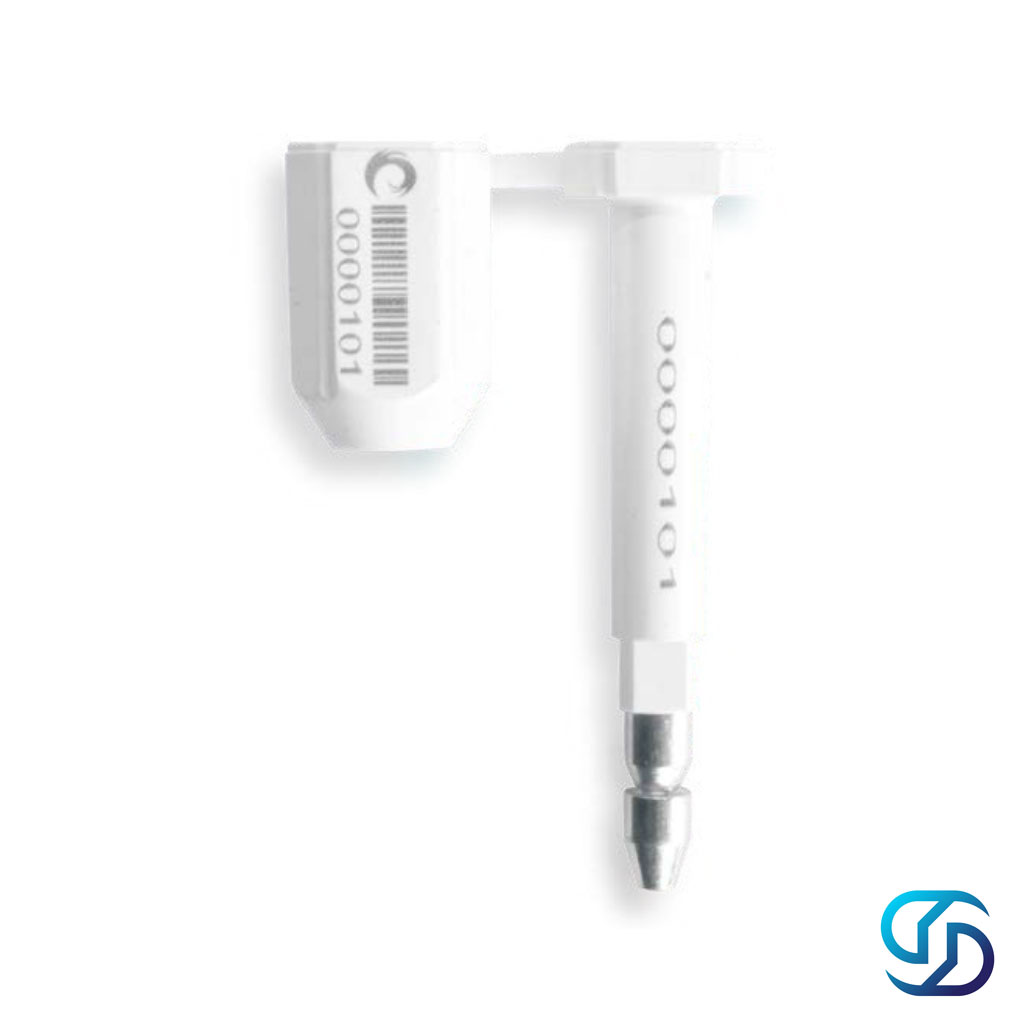
This is why container security seals have become a fundamental part of global shipping operations. These small but highly important devices help prevent tampering, support regulatory compliance, and provide visibility throughout the supply chain.
For shipping companies, freight forwarders, and logistics managers, understanding the role of security seals is essential for maintaining both operational efficiency and international compliance standards.
Understanding Security Seal Requirements in Global Shipping
The modern shipping industry operates within a framework of international regulations designed to protect cargo and ensure supply chain security.
One of the most widely recognised security initiatives is the International Ship and Port Facility Security (ISPS) Code, which was introduced to improve maritime security and reduce risks associated with cargo transportation.
Security seals play an important role within these broader security measures.
By providing a visible indication of whether a container has been accessed during transit, seals help ensure that cargo remains secure from origin to destination.
Shipping lines, customs authorities, and cargo owners increasingly expect containers to be secured using appropriate high-security sealing systems.
Without proper seals in place, shipments may face delays, additional inspections, or compliance concerns at ports and border crossings.
Why Container Security Seals Matter
Container security seals serve several important functions throughout the shipping process.
Firstly, they provide a clear indication that a container has remained unopened since it was sealed.
Secondly, they act as a deterrent against theft and unauthorised access. A properly applied seal sends a strong message that the shipment is being monitored and that any attempt to interfere with the cargo will be immediately noticeable.
Thirdly, security seals help create accountability.
Most seals include unique identification numbers that are recorded on shipping documents. These numbers can be checked throughout the journey to confirm that the original seal remains intact.
This simple verification process contributes significantly to supply chain transparency and cargo protection.
Understanding ISO Seal Standards
Not all security seals offer the same level of protection.
For international shipping, many organisations rely on high-security container seals that meet recognised ISO standards.
ISO-compliant seals are designed and tested to meet strict requirements regarding strength, durability, and tamper resistance.
These standards help ensure consistency across global logistics operations.
When a container is secured using an ISO-compliant seal, all parties involved in the shipment can have greater confidence in the security of the cargo.
For businesses involved in international trade, using compliant seals demonstrates a commitment to best practices and industry standards.
How High-Security Seals Support Compliance and Accountability
High-security seals provide benefits that extend far beyond physical protection.
By creating a documented chain of custody, they improve accountability throughout the supply chain.
At each stage of transport, personnel can verify that the seal remains intact and that identification numbers match shipping records.
This process creates a clear audit trail that helps reduce disputes and improves operational transparency.
If a seal appears damaged or does not match documentation, it immediately signals a potential issue requiring further investigation.
This ability to quickly identify irregularities helps strengthen security procedures while supporting regulatory compliance requirements.
Preventing Cargo Tampering During Transit
Cargo tampering can occur at multiple points throughout the transport process.
Containers may pass through ports, warehouses, distribution centres, and transport hubs before reaching their destination.
Without effective security measures, there is a greater risk of:
• Cargo theft
• Product contamination
• Unauthorised access
• Shipment substitution
• Regulatory non-compliance
Security seals provide an effective first line of defence against these risks.
While no security measure can eliminate all threats, seals significantly reduce opportunities for interference and provide immediate evidence if tampering has occurred.
Enhancing Supply Chain Visibility
Visibility has become a major focus within modern logistics operations.
Businesses increasingly require greater transparency throughout their supply chains to improve efficiency, reduce risk, and meet customer expectations.
Security seals contribute to this visibility by providing a simple and reliable verification system.
Each seal represents a checkpoint that confirms cargo integrity.
When combined with proper documentation and tracking systems, seals help organisations maintain better control over shipments from dispatch to delivery.
This enhanced visibility supports stronger decision-making and improves overall supply chain performance.
Conclusion
Container security seals may appear simple, but they play a critical role in international shipping compliance and cargo protection.
By supporting regulatory requirements, preventing tampering, and improving accountability, these seals help businesses maintain secure and transparent supply chains.
For organisations involved in global trade, investing in compliant high-security seals is an important step towards reducing risk and ensuring the safe movement of goods across international logistics networks.